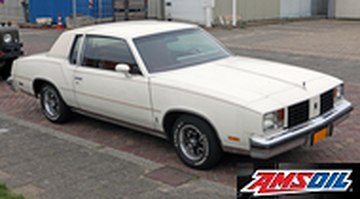
Maintaining Lubrication Integrity for the 1980 Oldsmobile CUTLASS 5.0L
Proper engine care for a vehicle like the 1980 Oldsmobile CUTLASS with its 5.0L engine involves more than just periodic fluid changes. It requires a proactive approach to monitoring the mechanical health of the engine and ensuring that all lubrication components are functioning as intended. As vehicles age, the materials used in seals, gaskets, and various hoses can undergo changes in their physical properties, making consistent observation a vital part of ownership.
Monitoring Fluid Condition and Potential Seepage
One of the most effective ways to monitor the health of an engine is through regular visual inspections for fluid integrity. For the 1980 Oldsmobile CUTLASS, this means looking for any signs of oil seepage or active leaks around the engine block and associated components. While a small amount of residue can sometimes be expected on older engines, any fresh or dripping fluid warrants closer investigation.
When performing these checks, consider the following:
- Surface Inspection: Look at the areas where various gaskets and seals meet engine surfaces. Any evidence of wetness or dark, oily buildup can indicate that a seal is no longer providing an effective barrier.
- Under-Vehicle Observation: Check the ground in the area where the vehicle is typically parked. Identifying fresh spots of oil can help determine if a leak is occurring while the engine is running or after it has been sitting for an extended period.
- Fluid Appearance: If you are checking the oil level, take a moment to observe the color and texture of the lubricant. While oil naturally darkens over time due to use, extremely thick or gritty textures can be a sign that the fluid is heavily contaminated or has exceeded its effective service life.
It is important to remember that many different components can contribute to visible leaks. A symptom like an oil spot on the driveway may indicate several different issues, ranging from a loose drain plug to a degrading seal. Therefore, observations should be treated as starting points for further inspection rather than definitive diagnoses.
Managing Aging Engine Components
As a vehicle reaches higher years of service, certain components naturally become more sensitive to environmental factors and heat cycles. For the 1980 Oldsmobile CUTLASS, maintaining a baseline of mechanical health involves looking beyond just the oil itself and considering the systems that support engine operation.
If equipped, inspecting accessible drive belts is a prudent maintenance step. Look for signs of wear such as cracking, glazing (a shiny appearance), or fraying along the edges. Similarly, if the vehicle is equipped with various rubber hoses, check them for excessive softness, hardening, or visible cracks. These components are essential for maintaining proper engine temperatures and supporting accessory operation.
Furthermore, electrical connections and wiring harnesses should be inspected for signs of brittleness or corrosion. Ensuring that sensors and connectors remain clean and securely seated helps prevent intermittent issues that can affect overall engine performance. By addressing these aging materials before they fail completely, an owner can move from reactive repairs to more effective preventive maintenance.
Establishing a Maintenance Baseline
For many owners of a 1980 Oldsmobile CUTLASS, the vehicle's full service history may not be immediately available. In these cases, the first priority is establishing a maintenance baseline. This involves performing a comprehensive inspection to determine the current state of all vital fluids and mechanical components.
If you are unsure when the oil was last changed or when various belts were replaced, treating the current condition as the starting point is essential. Documenting your own findings—such as the current color of the coolant, the condition of the air filter, or any observed seepage—creates a record that can be used to track changes over time. This documentation is invaluable for distinguishing between normal aging and new, developing issues.
Once this baseline is established, maintenance priorities can be set based on actual need rather than guesswork. For example, if an inspection reveals significant oil seepage or a heavily contaminated air filter, these should be addressed before moving on to more routine tasks. This approach ensures that resources are directed toward the most pressing needs of the engine.
Interpreting Potential Engine Warning Signs
While regular inspections are the best defense, owners should also remain attentive to how the vehicle behaves during operation. Changes in the way an engine sounds or smells can provide important clues about its internal state.
An unusual mechanical noise—such as rhythmic tapping, knocking, or whistling—should be investigated promptly. While these sounds can stem from many different sources, they are often indicators that a component requires attention. Similarly, changes in exhaust characteristics, such as the presence of smoke, may indicate that something is entering the combustion process that should not be there. However, because symptoms like smoke or unusual odors can have multiple causes, they should be viewed as prompts for professional diagnosis rather than certainties.
If a warning light or indicator appears on the dashboard, it should never be ignored. These indicators are designed to alert the driver to specific conditions that require immediate attention to prevent further mechanical stress. Always consult your documentation to understand what a specific light signifies for your particular engine configuration.
Prioritizing Long-Term Engine Health
Effective long-term ownership of a 1980 Oldsmobile CUTLASS relies on consistent, condition-based maintenance. Rather than following generic schedules that may not account for the actual usage or current state of the vehicle, focus on monitoring changes in fluid consumption and component condition.
If you notice that you are needing to add oil more frequently than before, this is a clear sign that the engine's lubrication needs should be re-evaluated. Tracking how much lubricant is consumed between service intervals provides a practical way to monitor the integrity of internal seals and rings without making assumptions about their condition. Keeping a simple log of these observations allows you to identify trends that might otherwise go unnoticed.
By combining regular visual inspections with careful observation of vehicle behavior, you can develop a maintenance strategy that is tailored to the actual requirements of your specific engine. This proactive mindset helps in managing the natural progression of age-related wear and ensures the engine remains as reliable as possible.
Practical Steps for BUYING ENGINE OIL for your 1980 Oldsmobile CUTLASS 5.0L
When it is time to replenish your engine's lubrication, the most important step is ensuring that the product you select matches the specific requirements of your application. For this 1980 Oldsmobile CUTLASS 5.0L, do not rely on general knowledge or assumptions based on the vehicle's age to determine which oil to use.
Instead, match the engine oil to the application-specific viscosity information already displayed on this webpage. Before making a purchase, carefully check the product labeling to ensure it meets the necessary standards and matches the grade listed in your application data. You may choose between conventional, synthetic blend, or full synthetic formulations depending on your specific needs, but the primary requirement is adherence to the correct viscosity and quality specifications provided for your engine.
If you are operating an engine with high mileage, you might consider looking at high-mileage oil formulations, which often contain additives intended for use in aging engines. However, always verify that any chosen product aligns with the specific application information shown above to ensure optimal compatibility and performance.